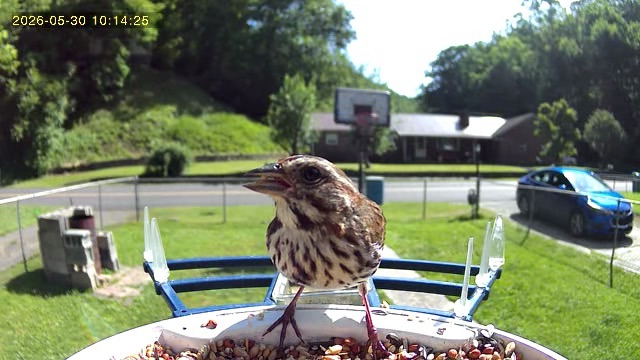
With WV having over 350 different species of birds, there are always different birds to look at. The house sparrow is one of the more common varieties that you can see flying around yards. House sparrows can be destructive to the insulation and they get to be territorial over where they nest. You might see them pushing other birds away from the bird feeder, so don’t let their small size fool you. You will also hardly ever see them in natural surroundings, they prefer nesting in buildings or around houses.
Identification
Males:
black throat
black V-shape patch on the breast
dark gray tail and crown.
Females:
same pattern, but duller colors
To attract house sparrows
House sparrows love to eat seeds, grains, food scraps, insects- basically anything. You don’t have to work too hard to attract these birds
To repel house sparrows
Put up bright shiny objects such as mylar tape or foil strips
Cover areas of potential entry to your home/business
Secure trashcans, make sure no food gets spilled around the cans and make sure the cans are sealed
Decoy birds and other things like balloons can help deter them from coming around your yard as well

Average Size
Length: 5.9-6.7 in
Weight: 0.9-1.1 oz
Wingspan: 7.5-9.8 in
Other Facts
Wash off in dirt and dust
Prefer man made areas to nest, not holes in trees- but gutters and eaves on houses or buildings
Very territorial when they find a nesting spot and will fight off any other native birds
They can get loud and cause a nuisance when it comes to where they choose to nest, it can also cause a fire hazard, destroy the paint on a car or cause disease/parasitic infetion so they are considered both invasive and potentially a pest
Afraid of very little and can easily pose a threat to native bird species in areas
Unwelcomed guest in many yards




Leave a Reply